
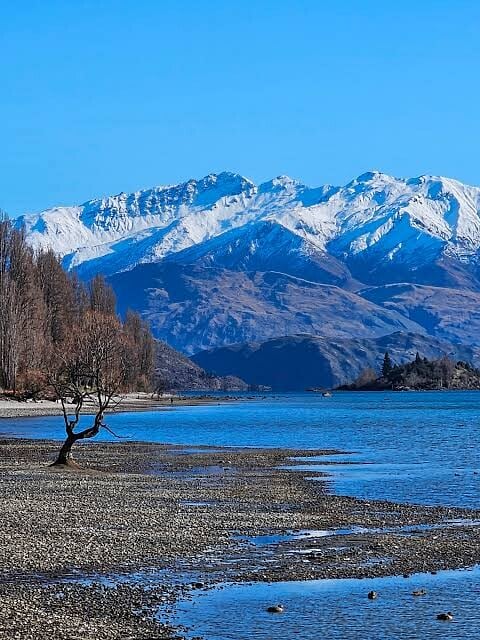
Stay warm, dive longer, and experience the best of the underwater world.
For many people, winter signals the end of the diving season. The days are shorter, the air feels colder, and climbing into the ocean might seem less appealing than sitting beside a fire. But ask experienced New Zealand divers, underwater photographers, spearfishers, or technical divers, and you’ll often hear a very different story. Winter is one of the most rewarding times of year to explore New Zealand’s spectacular underwater environment.
From the crystal-clear waters of the Poor Knights Islands to the dramatic kelp forests around Wellington, Fiordland’s breathtaking walls, and the rich marine life of the South Island, winter offers unique diving experiences that simply can’t be replicated during summer. The secret isn’t just choosing the right dive site—it’s choosing the right equipment and understanding how to keep your body warm and comfortable underwater.
At Aotearoa Dive, we believe that staying warm isn’t just about comfort. It’s about safety, confidence, extending your dive time, reducing fatigue, and getting the most from every dive.
Why Winter is Actually One of the Best Times to Dive
New Zealand is renowned as one of the world’s premier temperate-water diving destinations. Unlike tropical locations where conditions remain fairly constant throughout the year, our waters change dramatically with the seasons.
Winter often rewards divers with:
●Outstanding underwater visibility
●Reduced plankton blooms
●Less boat traffic
●Fewer divers on popular sites
●Incredible marine life encounters
●More settled weather windows in many regions
Visibility of 20–30 metres isn’t unusual at some North Island locations during winter, while southern destinations can become astonishingly clear under the right conditions. Many divers discover that winter soon becomes their favourite season once they’re equipped properly.
Why Water Makes You Cold So Quickly
One of the biggest misconceptions among new divers is assuming that if the air temperature feels comfortable, the water will too. Unfortunately, physics has other ideas.
Water conducts heat approximately 25 times faster than air. Your body is constantly producing heat through metabolism, but once you’re submerged, that precious warmth is drawn away rapidly. Unlike air, water surrounds your body completely, continually replacing any thin layer of warmed water next to your skin with colder water.
This process is known as conduction.
Even water that feels relatively mild—say 18°C—can slowly cool your body if you’re immersed for long enough. During winter, New Zealand water temperatures typically range from around 10°C in southern regions to approximately 16°C in the warmer parts of the North Island.
Without proper exposure protection, your body begins losing heat almost immediately.⸻
The Science Behind Heat Loss While Diving
Understanding how your body loses heat helps explain why investing in quality dive equipment makes such a significant difference.
There are four primary ways your body loses heat while diving.
1. Conduction
Conduction is by far the largest contributor. Heat naturally flows from warmer objects to colder ones. Since your body temperature sits around 37°C, and the surrounding water may only be 12–16°C, heat continually transfers into the water. Your wetsuit or drysuit acts as insulation, dramatically slowing this transfer. The better the insulation, the slower your body loses heat.
2. Convection
Convection occurs when moving water continually washes away the thin layer of warmed water surrounding your body. Current, surge, finning and swimming all increase this effect. A poorly fitting wetsuit allows cold water to flush continuously through the suit, replacing warm water with cold water. This is why fit is every bit as important as thickness. A premium wetsuit that fits correctly will often outperform a thicker suit that allows water to circulate freely.
3. Respiration
Every breath from your scuba cylinder is cool and extremely dry. As this gas enters your lungs, your body must warm and humidify it before exhalation. Although the amount of heat lost through breathing is smaller than conduction, it becomes significant during long dives, deep dives, or technical dives where gas consumption is higher.
4. Evaporation
Ironically, many divers experience their greatest heat loss after exiting the water. A wet wetsuit combined with wind can strip heat away incredibly quickly. Anyone who’s stood on a windy New Zealand boat ramp after a dive knows exactly how cold this can feel. Changing promptly into warm clothing, drying off quickly, and drinking a hot beverage can dramatically improve post-dive comfort.
What Happens Inside Your Body When You Get Cold?
Your body is remarkably good at protecting itself. As your core temperature begins to fall, it automatically prioritises keeping your vital organs warm. One of the first responses is peripheral vasoconstriction.
Blood vessels in your hands, feet, arms and legs narrow, reducing blood flow to your extremities. This conserves heat for your heart, lungs and brain. While this helps protect your core, it also causes several problems for divers. Your hands become numb. Fine motor skills decrease. Operating clips, reels, SMBs or camera controls becomes noticeably harder. Even simple tasks like fastening a bolt snap can become surprisingly frustrating.
If cooling continues, muscle strength reduces, reaction times slow, concentration suffers and fatigue develops more quickly. Eventually, mild hypothermia can begin—even if you don’t actually feel freezing.
Cold Divers Use More Gas
Here’s another interesting piece of diving physiology.
Divers who are cold often breathe faster. Part of this comes from shivering. Part comes from increased stress. Part comes from muscles working harder to maintain body temperature.
The result?
Higher gas consumption.
Many divers are surprised when improving their thermal protection suddenly improves their air consumption as well. They’re no longer wasting energy trying to stay warm. Instead, they can relax, slow their breathing and enjoy the dive. Longer dives, lower stress levels and improved buoyancy often follow naturally.
Why Exposure Protection Is More Than Comfort
It’s tempting to think of wetsuits and drysuits as luxury purchases. In reality, they’re pieces of life-support equipment.
When you’re warm:
●Your concentration improves.
●Your buoyancy control improves.
●Your breathing slows.
●Your gas lasts longer.
●Your dexterity improves.
●You enjoy the dive more.
●You’re less likely to cut the dive short.
Perhaps most importantly, staying warm means you finish your dive feeling energised rather than exhausted. Anyone who has completed multiple cold dives over a weekend knows just how much difference proper exposure protection can make.
At Aotearoa Dive, we often remind customers that buying quality thermal equipment isn’t simply purchasing comfort—it’s investing in every dive they’ll make for years to come.
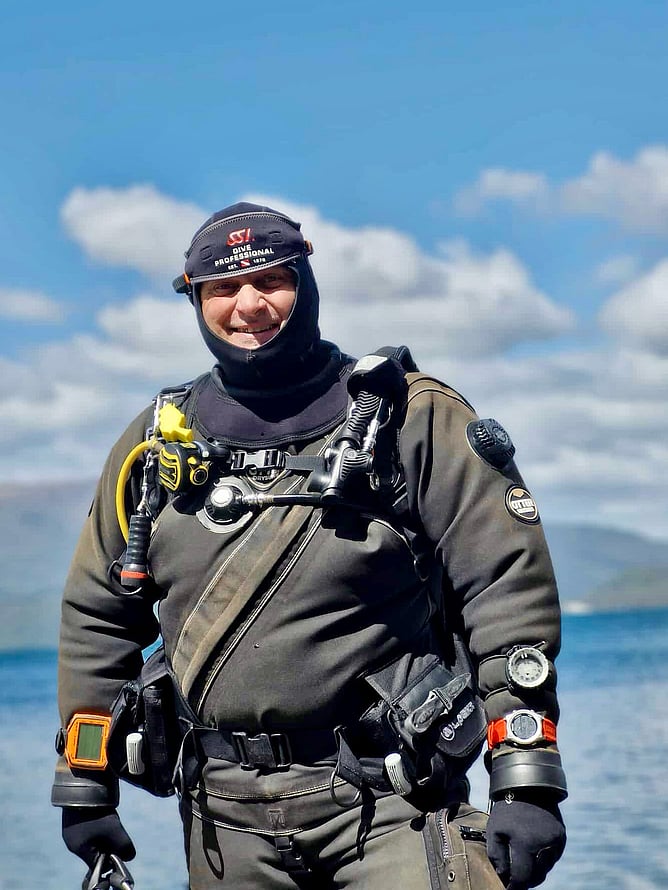
Ready for the cooler months in a drysuit
Choosing the Right Exposure Protection for New Zealand Winter Diving
Now that we’ve looked at why our bodies lose heat so quickly underwater, the next question is simple: how do you stay warm?
There is no single answer that suits every diver. The right exposure protection depends on where you’re diving, how long your dives typically last, your personal tolerance to cold, and the type of diving you enjoy. Fortunately, modern dive equipment has evolved dramatically over the last decade, making it easier than ever to stay comfortable in New Zealand’s cool waters.
At Aotearoa Dive, we encourage divers to think of their exposure protection as a complete system. A wetsuit or drysuit is only one part of the equation. Hoods, gloves, boots, thermal undergarments and even the equipment you breathe from all contribute to keeping you warm and comfortable.
Wetsuits – The Trusted All-Rounder
A high-quality wetsuit remains the most popular choice for recreational divers throughout New Zealand.
Rather than keeping you completely dry, a wetsuit works by allowing a very thin layer of water to enter the suit. Your body quickly warms this water, while the neoprene acts as insulation, slowing further heat loss. The key phrase here is “thin layer.”
If your suit is loose around the neck, wrists, ankles or lower back, cold water constantly flushes through it. Every flush replaces warm water with cold water, forcing your body to start the warming process all over again. This is why a well-fitted premium wetsuit often feels significantly warmer than a cheaper suit that is technically thicker but doesn’t fit correctly.
Modern neoprene is also far more flexible than older designs. Improvements in materials and construction mean today’s suits provide excellent insulation without restricting movement, making buoyancy control, finning and equipment handling much easier. For many North Island winter dives, a quality 7–8 mm wetsuit paired with the correct hood, gloves and boots provides an excellent balance between warmth, mobility and affordability.
Semi-Dry Suits – The Best of Both Worlds
For divers who spend a lot of time in New Zealand waters but aren’t quite ready to move into a drysuit, a semi-dry suit is often the ideal solution.
Unlike a standard wetsuit, a semi-dry is designed to dramatically reduce water movement through the suit. Smooth-skin seals around the wrists, ankles and neck minimise flushing, while waterproof-style zips and carefully engineered panels help trap the warm water inside the suit. The result is noticeably greater warmth during longer dives.
One of the standout options available from Aotearoa Dive is the Hollis NeoTek 8/7/6 C2 Semi-Dry.
Designed specifically for demanding cold-water environments, the NeoTek combines premium compression-resistant neoprene with an anatomical fit that significantly reduces water circulation. The integrated hood, waterproof-style front zip and high-quality seals work together to keep divers warmer for longer, while still offering the flexibility that recreational divers appreciate.
For many divers exploring North Island wrecks, offshore islands and deeper reef systems throughout winter, a semi-dry suit like the NeoTek offers an impressive step up in comfort without requiring the additional training associated with drysuit diving.
When It’s Time to Go Dry
If you’re planning longer dives, technical dives, underwater photography, or frequent winter diving, a drysuit becomes much more than a luxury—it becomes one of the best investments you can make.
Unlike wetsuits and semi-dry suits, a drysuit is designed to keep your body completely dry throughout the dive. Instead of relying on neoprene alone, insulation comes primarily from the thermal garments worn underneath the suit. This allows divers to tailor their warmth to the conditions by simply changing the thickness of their undergarments.
One of the biggest advantages of diving dry is consistency.
You don’t experience the initial “cold shock” of water entering your suit. You finish long dives feeling significantly warmer, conserve energy more effectively and often recover much faster between dives. Many divers who switch to drysuits discover they’re able to comfortably complete dives that would previously have ended early because of the cold.
A Lightweight Option – BARE Aqua-Trek 1
For divers wanting a lightweight, modern trilaminate drysuit, the BARE Aqua-Trek 1 is an outstanding option. Its trilaminate construction doesn’t provide insulation itself. Instead, it creates a waterproof shell that allows you to choose the perfect thermal undergarment for the season. This approach offers tremendous versatility.
Wear lighter insulation during autumn or spring, then increase your thermal layering for winter dives around Wellington, Canterbury or the deep southern fiords. The suit’s flexibility also makes it an excellent choice for travelling divers who need equipment that packs smaller than traditional crushed neoprene drysuits.
Whether you’re exploring reefs, wrecks or training for advanced certifications, the Aqua-Trek 1 delivers exceptional comfort and freedom of movement while keeping you completely dry.
Built for Serious Cold-Water Diving – Hollis DX300X
For divers regularly exploring New Zealand’s coldest environments, the Hollis DX300X Drysuit represents professional-level performance. Designed with demanding divers in mind, it combines rugged materials, excellent durability and outstanding mobility.
Technical divers, instructors, scientific divers and underwater photographers often spend extended periods underwater with very little physical movement. Without muscle activity generating heat, the body cools even faster, making reliable thermal protection essential. The DX300X provides the confidence to tackle challenging winter dives while remaining comfortable throughout extended bottom times.
When paired with quality thermal undergarments, warm gloves and an insulated hood, it becomes a complete cold-water system capable of handling virtually any conditions New Zealand has to offer.
Don’t Forget the Small Things
Many divers focus on the suit itself but underestimate how much heat escapes from the body’s extremities. A surprising amount of heat is lost through the head, especially underwater where blood vessels remain close to the skin’s surface. An insulated hood should never be viewed as an optional extra during winter.
Likewise, cold hands reduce dexterity, making it harder to operate clips, cameras, reels, dive computers and emergency equipment. Quality neoprene gloves help maintain circulation while still providing the flexibility needed to perform essential tasks.
Warm boots are equally important.
Your feet remain relatively inactive throughout most dives, meaning they cool quickly. Properly fitted boots not only improve warmth but also increase comfort during shore entries across rocks and uneven terrain. When all of these components work together, they create a complete thermal system rather than relying on the wetsuit or drysuit alone.
The Often-Overlooked Role of a Full Face Mask
One piece of equipment that many divers don’t immediately associate with warmth is the OTS Guardian Full Face Mask.
While its primary purpose is to provide comfortable breathing and clear communication when fitted with an underwater communications system, it also offers an additional thermal benefit. A conventional scuba mask leaves a significant portion of your face directly exposed to cold water. Over the course of a long winter dive, this contributes to heat loss and facial discomfort.
The OTS Guardian encloses the entire face, reducing exposure to cold water and helping many divers remain noticeably more comfortable during extended dives. It also allows normal breathing through both the nose and mouth, reducing jaw fatigue for some divers and making long dives feel more relaxed.
For underwater photographers, scientific divers, instructors and professional divers who spend extended periods in the water, these comfort improvements can make a meaningful difference over the course of a full day’s diving.
Quality Equipment Is an Investment, Not an Expense
It can be tempting to purchase the least expensive suit available, particularly when starting out. However, exposure protection is one area where quality genuinely pays dividends.
Premium suits typically feature better neoprene, improved seam construction, superior seals, higher-quality zips and more ergonomic designs. These features don’t just improve comfort—they improve durability, reduce water flushing and help maintain warmth over many years of regular diving. When you consider how many dives a well-made suit may accompany you on, the cost per dive becomes remarkably small.
More importantly, a quality suit means fewer dives cut short by the cold, more enjoyable weekends on the water and greater confidence to explore New Zealand’s spectacular underwater environments throughout the entire year.
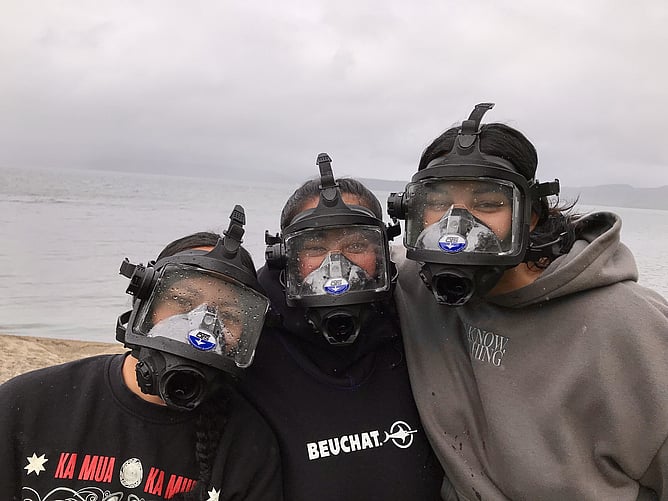
Full face mask prevents cold water contacting the face.
Staying Warm Before, During and After Your Dive
Even the best exposure suit can only do so much if the rest of your dive preparation isn’t up to scratch. Staying warm starts well before you enter the water and continues long after you’ve surfaced. By adopting a few simple habits, you can maximise your comfort, improve your safety and enjoy longer, more rewarding dives throughout New Zealand’s winter months.
Before the Dive: Start Warm, Stay Warm
One of the biggest mistakes divers make is arriving at the dive site already cold. If your body has already started conserving heat before you even enter the water, you’ll feel the cold much sooner during the dive. Instead, try to begin every dive warm and well hydrated.
Eat a nutritious meal a couple of hours before diving, paying particular attention to slow-release carbohydrates and protein. Your body generates heat by burning energy, so giving it the fuel it needs is an important part of staying comfortable.
Dress warmly while travelling to the dive site, and don’t remove your jacket or warm clothing until it’s time to suit up. On boat dives, stay out of the wind wherever possible, as wind chill can dramatically lower your body temperature before you’ve even entered the water. If you’re diving in a drysuit, choose thermal undergarments appropriate for the conditions. It’s much easier to remove a layer if you’re too warm than it is to add insulation once you’re on the boat.
During the Dive: Dive Smart
Once underwater, good diving habits also help you stay warm. Avoid unnecessary exertion. Swimming hard, fighting current or constantly changing depth wastes energy and increases breathing rate. Good buoyancy control not only improves your air consumption but also reduces physical effort, helping your body conserve heat.
If you’re diving with a buddy, agree on a comfortable pace rather than rushing from one point of interest to the next. Underwater photographers often know this well. Remaining calm, moving slowly and maintaining excellent trim not only produces better photographs but also helps reduce heat loss by conserving energy.
Pay attention to the early signs of becoming cold. If your hands become numb, your concentration starts to fade, or you begin shivering underwater, it’s usually a sign that it’s time to end the dive. Waiting until you’re extremely cold rarely leads to an enjoyable finish.
After the Dive: Recovery Matters
Many divers focus on staying warm underwater but overlook the importance of recovering properly afterwards. As soon as practical, remove wet exposure gear and dry yourself thoroughly. Even a high-quality wetsuit continues to cool your body once you’re out of the water if it’s left on in windy conditions.
Have warm, dry clothing ready before the dive so changing is quick and easy. A warm hat is one of the simplest yet most effective ways to retain body heat after diving. Your head has a rich blood supply, and covering it helps reduce further heat loss.
A flask of hot soup, tea, coffee or hot chocolate is another winter diving favourite. While the drink itself doesn’t instantly raise your core temperature, it provides comfort, encourages hydration and helps you feel warm again after a long dive. If you’re completing multiple dives in a day, staying warm between dives is just as important as staying warm during them.
Looking After Your Exposure Gear
Your wetsuit or drysuit is one of the hardest-working pieces of equipment you own, and looking after it properly will help it perform at its best for many years.
After every dive:
● Rinse thoroughly with fresh water, paying special attention to zips, seals and valves.
● Allow the suit to dry naturally out of direct sunlight.
● Never leave neoprene compressed under heavy equipment for long periods.
● Store wetsuits on wide hangers to prevent shoulder damage.
● Lubricate drysuit zips as recommended by the manufacturer.
● Regularly inspect wrist and neck seals for signs of wear.
● Replace damaged boots, gloves or hoods before they begin affecting warmth.
A well-maintained suit doesn’t just last longer—it performs better, keeping you warmer every time you dive.
Common Mistakes That Make Divers Colder
Even experienced divers sometimes overlook simple things that have a surprisingly large impact on warmth.
Some of the most common include:
● Wearing a suit that’s too large.
● Diving without a hood because the water “doesn’t feel that cold.”
● Using worn-out boots or gloves with compressed neoprene.
● Remaining in a wet wetsuit during lunch breaks.
● Becoming dehydrated before diving.
● Choosing equipment based solely on price rather than fit and performance.
● Ignoring early signs of getting cold and pushing a dive longer than planned.
Correcting even one or two of these habits can make a noticeable difference to your comfort.
Winter Diving Opens Up a New World
Some of New Zealand’s most memorable dives happen during winter.
Kelp forests seem even more vibrant in clear water. Wrecks emerge from the blue with stunning visibility. Crayfish, schooling fish and colourful invertebrates create unforgettable underwater scenes, while quieter dive sites offer a more relaxed experience away from the summer crowds. Once you’ve experienced winter diving with the right equipment, many divers find themselves looking forward to the colder months rather than packing their gear away.
The key is simple:
Stay warm.
Stay comfortable.
Stay focused.
And enjoy everything New Zealand’s underwater world has to offer.
Why Choose Aotearoa Dive?
At Aotearoa Dive, we understand that no two divers are the same.
Whether you’re taking your first winter plunge, upgrading from a wetsuit to a semi-dry, investing in your first drysuit, or assembling a complete cold-water technical diving setup, our team can help you choose equipment that matches your diving style, experience and local conditions.
We stock trusted brands that have earned their reputation in some of the world’s most demanding environments, including the Hollis NeoTek 8/7/6 C2 Semi-Dry, the BARE Aqua-Trek 1 Drysuit, the Hollis DX300X Drysuit and the OTS Guardian Full Face Mask, alongside a wide range of quality hoods, gloves, boots, thermal accessories and cold-water diving equipment.
Our goal isn’t simply to sell equipment—it’s to help every diver enjoy safer, warmer and more rewarding adventures beneath the surface.
Final Thoughts
Winter diving in New Zealand isn’t about enduring the cold—it’s about preparing for it.
When you understand how your body loses heat, choose the right exposure protection and invest in quality equipment that fits correctly, winter becomes one of the best times of year to dive. You’ll enjoy clearer water, quieter dive sites, longer and more comfortable dives, and the confidence to explore New Zealand’s incredible underwater landscapes in every season.
So don’t let winter keep you on shore.
Gear up, stay warm, and discover why some of the country’s most passionate divers believe the best diving of the year begins when the temperature drops.
Visit Aotearoa Dive online or in-store to explore our range of premium cold-water diving equipment and let our experienced team help you find the perfect setup for your next underwater adventure. Because when you’re warm, every dive is a better dive.
Below are a few products from our range that are perfect for winter diving in New Zealand:


