
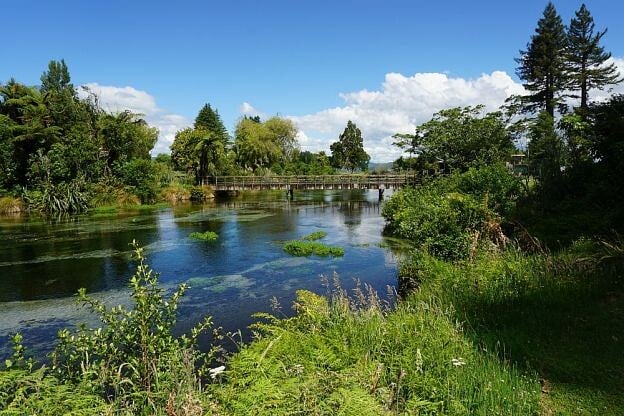
A deep dive into oxygen weed and its grip on Rotorua’s lakes and Hamurana Springs
New Zealand is globally recognised for its unique freshwater ecosystems—clear lakes, geothermal waters, and highly endemic aquatic life. Yet beneath the surface of many of these waterways lies a persistent and highly invasive threat: lagarosiphon (Lagarosiphon major), commonly known as oxygen weed.
What began as an innocuous ornamental plant has evolved into one of the country’s most problematic freshwater weeds. Nowhere is this transformation more evident than in the lakes of Rotorua and sensitive spring systems such as Hamurana Springs. This blog explores the origins of lagarosiphon, how it arrived in New Zealand, and the profound environmental consequences it continues to have.
What is Lagarosiphon?
Lagarosiphon major is a submerged aquatic plant native to southern Africa. It belongs to a group of plants often referred to as “oxygen weeds”—species historically promoted for their ability to oxygenate water in aquariums and ponds.
Ironically, in natural ecosystems, lagarosiphon does not behave as a benign oxygenator. Instead, it forms dense underwater forests that disrupt ecological balance. It grows rapidly, with stems reaching up to five metres in length, forming thick mats that extend to the water’s surface. 
In New Zealand, only female plants exist, meaning the species does not reproduce by seed. However, this has not limited its spread. Even a tiny fragment—sometimes as small as a fingernail—can regenerate into a new plant. 
How Lagarosiphon Came to New Zealand
The story of lagarosiphon in New Zealand is a classic example of unintended ecological consequences.
Aquarium trade origins
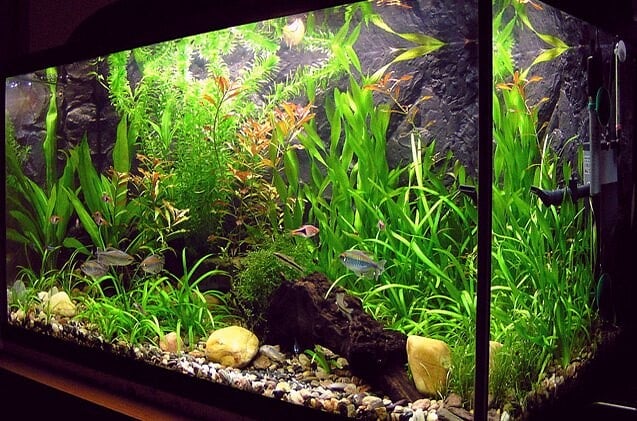
Lagarosiphon was introduced in the early to mid-20th century as an aquarium and ornamental pond plant. Its appeal was obvious: fast-growing, visually attractive, and marketed as beneficial for water quality.
By the 1950s, it had already escaped cultivation and become established in natural waterways. 
The primary pathway of introduction is believed to have been the disposal of aquarium contents into drains, ponds, or streams. 
This seemingly harmless act—tipping out unwanted plants—triggered a long-term ecological problem that persists today.
Spread through human activity
Once in the wild, lagarosiphon spread rapidly through:
• Boats and trailers
• Fishing gear and nets
• Water currents
• Deliberate or accidental plantings
Fragments break off easily and attach to equipment, allowing the plant to “hitchhike” between water bodies. 
This ability to spread vegetatively makes lagarosiphon extremely difficult to contain.
Expansion Across New Zealand
From its early foothold, lagarosiphon expanded throughout much of the country. It is now widely found across the North Island and parts of the South Island, particularly in clear, slow-moving freshwater systems. 
It has become especially dominant in lakes, where stable conditions allow it to establish dense beds.
Some notable affected areas include:
• Rotorua lakes (multiple systems)
• Central Otago lakes (e.g., Wānaka, Dunstan)
• Hydroelectric lakes in the Waitaki system
In many of these locations, lagarosiphon has transitioned from a minor nuisance to a dominant ecological force.
Why Lagarosiphon is Such a Problem
The environmental impact of lagarosiphon stems from several key characteristics:
1. Rapid growth and dominance
Lagarosiphon grows quickly and forms dense underwater canopies that block sunlight from reaching native plants. This results in:
• Loss of native aquatic vegetation
• Reduced biodiversity
• Altered ecosystem structure
It effectively replaces diverse native plant communities with monocultures.
2. Oxygen depletion
Despite being called “oxygen weed,” dense infestations can actually reduce oxygen levels in water. Thick mats restrict water movement and create conditions where decomposition consumes oxygen, negatively affecting fish and invertebrates. 
3. Physical obstruction
Large beds can:
• Block waterways
• Interfere with water intakes
• Increase flood risk
They also create navigational hazards for boats and swimmers.
4. Recreational and aesthetic impacts
Lagarosiphon significantly affects how people use lakes:
• Swimming becomes unpleasant or unsafe
• Boating and fishing are hindered
• Shorelines become clogged with decaying weed
In some cases, large quantities of weed wash ashore, creating foul-smelling accumulations.
Lagarosiphon in the Rotorua Lakes
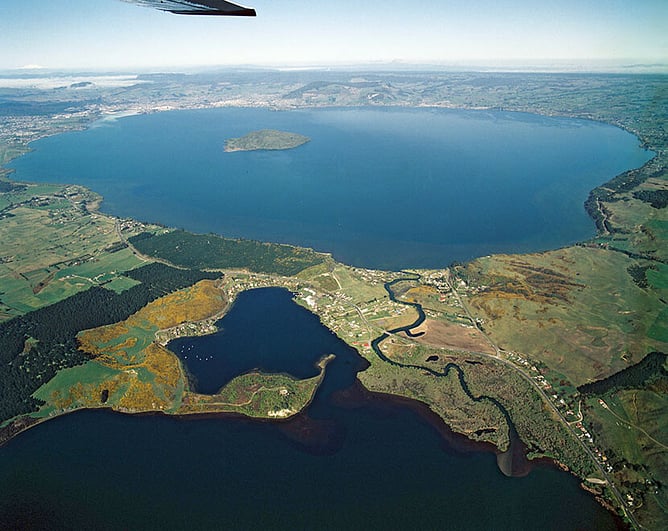
The Rotorua lakes are among the most studied freshwater systems in New Zealand, and they provide a clear example of how lagarosiphon interacts with environmental pressures.
A perfect environment for invasion
Rotorua lakes are particularly vulnerable due to:
• Nutrient enrichment (especially nitrogen and phosphorus)
• Clear, relatively shallow waters
• Stable lake conditions
Nutrient inputs—primarily from agriculture—have driven eutrophication, creating ideal conditions for invasive aquatic plants. 
Historical invasion pattern
By the mid-to-late 20th century, invasive submerged plants—including lagarosiphon—had become widespread across the Rotorua lake system. 
These species replaced native vegetation and became a dominant ecological feature.
Lagarosiphon is now present in multiple Rotorua lakes, including:
• Rotorua
• Rotoiti
• Tarawera
• Ōkāreka
• Ōkataina
• Rotoehu
• Tikitapu
• Rerewhakaaitu 
Environmental Impact in Rotorua Lakes
Loss of native biodiversity.
One of the most significant impacts has been the displacement of native aquatic plants. These native species play a crucial role in:
• Providing habitat for fish and invertebrates
• Stabilising sediments
• Maintaining water clarity
When lagarosiphon takes over, these functions are disrupted.
Changes to lake ecology
The dominance of lagarosiphon alters the structure of lake ecosystems:
• Food webs are simplified
• Native species decline
• Exotic species may gain advantage
This contributes to long-term ecological imbalance.
Nutrient cycling and water quality
Dense weed beds interact with nutrient cycles in complex ways:
• They absorb nutrients during growth
• Release nutrients during decay
• Contribute to sediment accumulation
In eutrophic lakes like Rotorua, this can exacerbate water quality issues.
Large-scale weed events
In recent years, storms have caused massive quantities of weed to wash ashore in Rotorua, requiring removal of hundreds of tonnes. 
These events highlight the scale of infestation and the ongoing management challenge.
Management and Control in Rotorua
Controlling lagarosiphon is extremely difficult, and eradication is rarely achievable once it is established.
Common control methods include:
• Mechanical harvesting
• Herbicide application (e.g., diquat)
• Bottom barriers (e.g., hessian matting)
Each method has limitations:
• Mechanical removal can spread fragments
• Herbicides can affect non-target species
• Barriers are labour-intensive and site-specific
Despite ongoing efforts, control is typically about containment rather than elimination.
Hamurana Springs: A Special Case
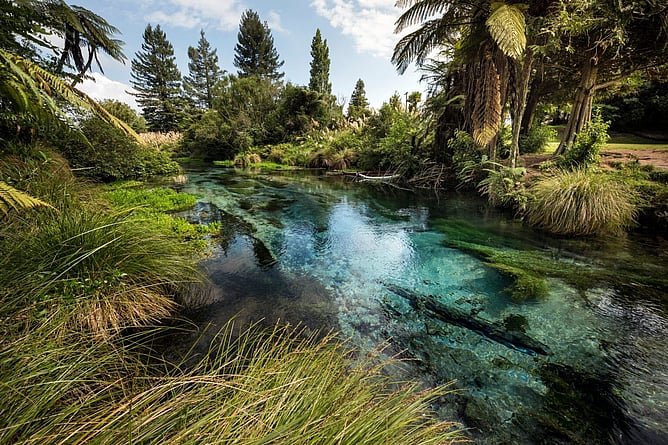
Hamurana Springs is one of the most iconic freshwater springs in New Zealand, known for its crystal-clear water and cultural significance.
Spring systems like Hamurana are particularly sensitive environments. Their constant flow, stable temperature, and high water clarity make them unique—and vulnerable.
Why lagarosiphon is a problem here
Although springs differ from lakes, lagarosiphon can still establish in slower-moving areas or downstream environments.
In systems like Hamurana Springs, the presence of lagarosiphon poses several risks:
1. Threat to water clarity
Hamurana Springs is famous for its exceptional clarity. Dense aquatic weeds can:
• Trap sediments
• Alter flow patterns
• Reduce visual clarity
This undermines one of the spring’s defining characteristics.
2. Ecological disruption
Spring ecosystems often support specialised species adapted to stable conditions. The introduction of lagarosiphon can:
• Outcompete native plants
• Alter habitat structure
• Affect native fauna
3. Spread downstream
Even if lagarosiphon does not dominate within the spring itself, it can spread into connected waterways, acting as a source of further infestation.
4. Cultural and recreational impacts
Hamurana Springs holds cultural significance and is a major visitor attraction. The presence of invasive weeds can:
• Diminish aesthetic value
• Impact tourism
• Compromise cultural connections to the water
The Broader Issue: Invasive Oxygen Weeds
Lagarosiphon is not alone. It is part of a group of invasive aquatic plants that dominate New Zealand’s freshwater systems, including:
• Egeria densa
• Elodea canadensis
• Hornwort (Ceratophyllum demersum)
Together, these species create a complex management challenge, particularly in nutrient-rich lakes like those in Rotorua. 
Why Lagarosiphon is So Hard to Control
Several factors make lagarosiphon particularly resilient:
Fragmentation
Any disturbance—natural or human—can create fragments that spread the plant further.
Lack of natural predators
In its native range, lagarosiphon is controlled by herbivores and environmental conditions. In New Zealand, these controls are largely absent.
Ideal environmental conditions
Many New Zealand lakes provide perfect conditions for growth:
• Clear water
• Moderate temperatures
• High nutrient levels
Recent Developments and Ongoing Challenges
Even today, lagarosiphon continues to spread into new areas.
Recent infestations in hydro lakes in the South Island demonstrate how quickly the weed can establish, even in previously unaffected systems. 
Control programmes are ongoing nationwide, involving:
• Government agencies
• Regional councils
• Local communities
Despite decades of effort, complete eradication remains unlikely.
What Can Be Done?
Prevention is critical
The most effective strategy is preventing spread:
• Check, clean, and dry boats and gear
• Avoid transferring water between lakes
• Never dispose of aquarium plants into waterways
Public awareness
Education plays a key role. Many infestations can be traced back to human behaviour, meaning informed communities are essential.
Continued management
Long-term control programmes are necessary to:
• Protect high-value lakes
• Maintain recreational access
• Preserve biodiversity
Conclusion
Lagarosiphon is a powerful reminder of how small actions—like discarding an aquarium plant—can have far-reaching environmental consequences.
From its introduction in the mid-20th century to its widespread dominance today, the weed has transformed many of New Zealand’s freshwater ecosystems. Nowhere is this more evident than in the Rotorua lakes, where it contributes to ecological change, water quality challenges, and ongoing management costs.
In sensitive environments like Hamurana Springs, the stakes are even higher. These pristine systems are not only ecological treasures but also cultural and recreational landmarks. The presence of invasive species threatens their integrity.
Ultimately, the story of lagarosiphon is not just about a weed—it is about human impact, ecological resilience, and the ongoing effort required to protect New Zealand’s natural heritage.