A Deep Dive Into Lagarosiphon
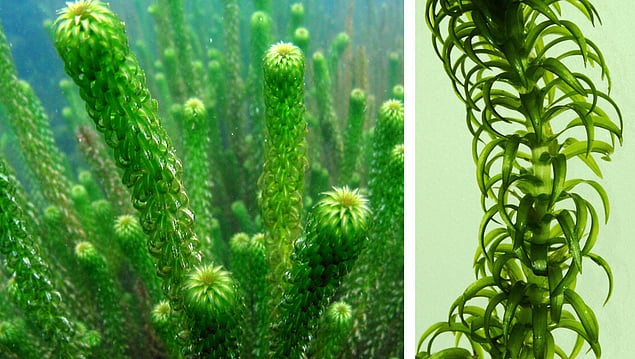
Lagarosiphon, often called oxygen weed, is an aquatic plant that has made quite a splash in New Zealand’s waterways—but not in a good way. Originally introduced from southern Africa, this submerged plant has become a major concern for both the environment and recreational water users. Its story is a cautionary tale about how a seemingly harmless ornamental plant can transform into a major ecological problem.
A Brief History
Lagarosiphon was first brought to New Zealand in the 1950s as an ornamental plant for ponds and aquariums. Its attractive, dense growth made it appealing for water gardens, and at the time, it was considered safe. However, as the decades passed, small fragments of the plant escaped into rivers and lakes, particularly in the North Island. By the 1960s and 1970s, it had established itself in natural waterways and was quickly spreading, forming dense underwater mats that outcompeted native plants.
How Lagarosiphon Spreads
One of the reasons Lagarosiphon is so difficult to control is its ability to reproduce from small fragments. Even a tiny piece carried on a boat, fishing gear, or by the current can start a new infestation. It thrives in still or slow-moving waters, forming thick mats that can grow up to 3 meters below the surface. These mats create a monoculture, reducing the diversity of plants in the water and altering the natural ecosystem.
In addition to natural water movement, human activities have contributed to its spread. Recreational activities such as boating, fishing, and swimming can transport plant fragments to previously unaffected areas. This makes public awareness and careful biosecurity practices essential for controlling Lagarosiphon.
Environmental Impacts
Lagarosiphon may look harmless, but its presence has serious consequences for New Zealand’s freshwater ecosystems:
Outcompetes native plants: The dense growth blocks sunlight from reaching the lake or riverbed, making it difficult for native plants like charophytes and pondweeds to survive.
Reduces oxygen levels: As the plant decomposes, oxygen levels in the water drop, which can harm fish, eels, and invertebrates.
Impacts wildlife: Native fish and waterfowl lose habitat, and invertebrate populations decline.
Disrupts recreation: Thick mats of oxygen weed make swimming, diving, boating, and fishing difficult, affecting the enjoyment of natural waterways.
Economic costs: Management of Lagarosiphon infestations is expensive, often requiring mechanical removal, chemical treatment, and ongoing monitoring.
Community Action
Around Te Arawa Lakes, there has been a long-standing and coordinated effort to manage Lagarosiphon. Te Arawa Lakes Trust, local organisations, councils, and iwi have worked together to reduce its spread and protect these culturally and environmentally significant waterways.
Control methods have included mechanical harvesting, diver-led hand removal, and innovative techniques like awhi mats. These mats are laid over dense weed beds to block out sunlight, effectively suppressing and killing Lagarosiphon beneath them. The method is especially useful in sensitive or high-value areas, as it avoids the need for chemicals and minimises disturbance to surrounding ecosystems.
Alongside these approaches, ongoing monitoring programmes and rapid response efforts help keep infestations under control. Public education has also played a big role, with campaigns encouraging lake users to “Check, Clean, Dry” their gear to prevent spreading fragments between waterways.
Hamurana Spring: Taking Action Together
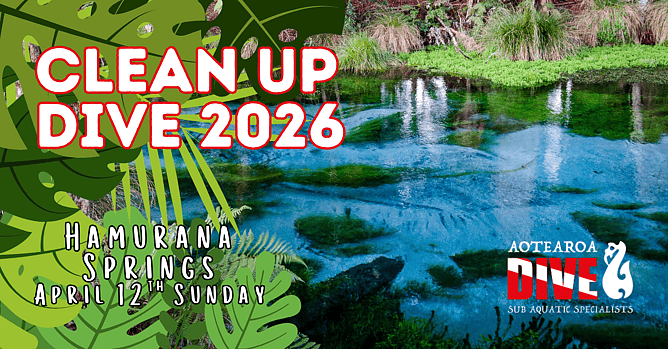
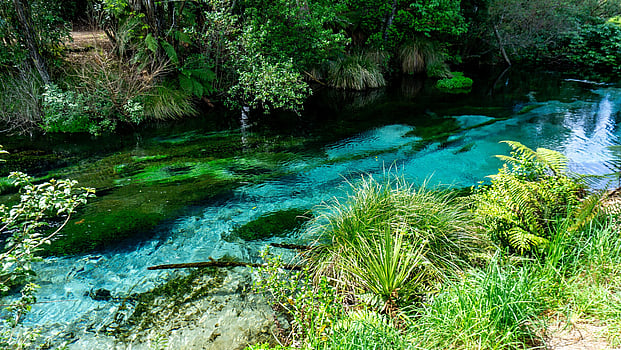
This challenge is front of mind. Known for its crystal-clear water and deep cultural significance, the spring is a taonga that deserves protection.
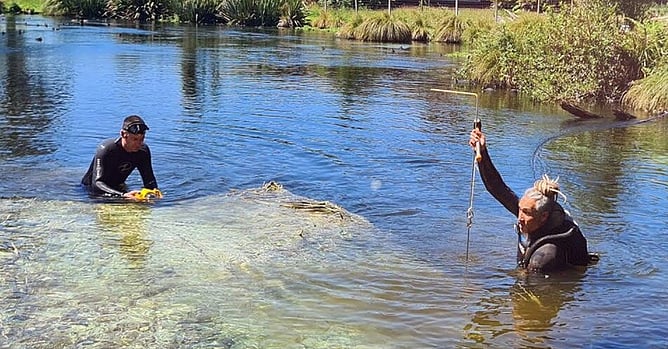
With the support of local iwi, Ngati Rangiwewehi, and our wider community, we are taking a hands-on approach to restoring this environment. During our Annual Clean-Up, our team of dedicated volunteers will be in the water working to remove the majority of Lagarosiphon from the spring through careful, controlled eco-gardening methods.
This isn’t a one-off effort. To ensure long-term success, we have plans in place to maintain the area through 3-monthly club dive clean-ups, targeting regrowth and preventing the weed from re-establishing itself.
By combining community action, local knowledge, and ongoing commitment, we aim to not only reduce Lagarosiphon but also give native species the space to recover and thrive again.
Looking Ahead
The fight against Lagarosiphon is ongoing, but it’s not one we have to face alone. Success comes from collaboration - between iwi, local organisations, volunteers, and everyday water users.
Hamurana Spring is a powerful example of what’s possible when a community comes together with a shared purpose. Through continued effort and care, we can protect these special places and ensure they remain healthy, vibrant, and accessible for generations to come.